There’s something quietly comforting about a simple Irish butter cake fresh from the oven, its golden edges catching the light as it cools on the rack. The Classic Irish Tea Cake Recipe is exactly that kind of dessert: unpretentious, softly sweet, and perfectly happy paired with a hot cup of tea. It sits in that sweet spot between old‑fashioned British sweets and traditional baking recipes, the kind of cake you’d find stacked on a tray at a village tea room or brought out after a Sunday roast.
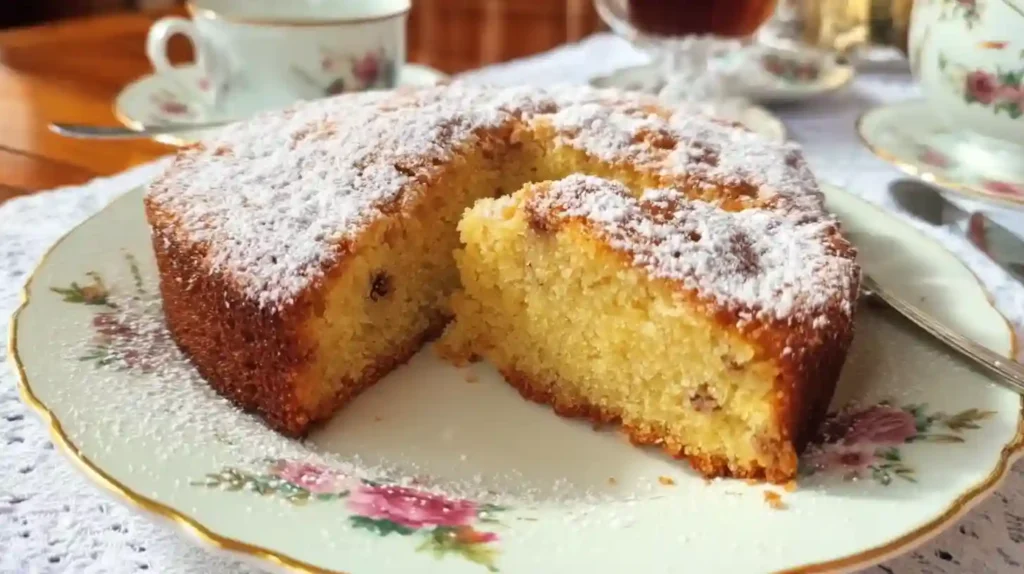
I first started making this style of cake during a rainy autumn afternoon, when all I wanted was warmth and a little nostalgia. The batter came together quickly, the smell of vanilla and butter filling the kitchen, and exactly half an hour later I had a tender, buttery loaf that tasted like home. If you love Popular Irish Recipes, British Sweets Recipes, and Classic English Desserts, this tea cake is a must‑try.
Why this Classic Irish Tea Cake Recipe works
This Classic Irish Tea Cake Recipe leans into the idea of simple, wholesome ingredients. It’s a softer, more delicate cousin of Irish Butter Cake, with a mildly sweet vanilla flavor and a light crumb that’s not too rich. Think of it as a cross between a traditional baking recipe and a cozy tea dessert after your favorite cup of tea.
The structure is simple: creamed butter and sugar, eggs, flour, baking powder, salt, milk, and vanilla. That’s it. No fancy spices, no long list of ingredients, just the kind of Desserts With Tea that feel both special and everyday. The cake keeps well, slices cleanly, and can be served plain, dusted with powdered sugar, or topped with berries and a spoonful of whipped cream.
Ingredients for Classic Irish Tea Cake
For this Classic Irish Tea Cake Recipe you’ll need standard pantry staples. Here’s everything listed in the correct numbered format:
- 1/2 cup (113 g) unsalted butter, softened to room temperature
- 1 cup (200 g) granulated sugar
- 2 large eggs, at room temperature
- 2 teaspoons pure vanilla extract
- 1 3/4 cups (220 g) all‑purpose flour
- 2 teaspoons baking powder
- 1/2 teaspoon salt
- 1/2 cup (120 ml) whole milk, at room temperature
- Confectioners’ sugar, for dusting (optional)
- Fresh berries or whipped cream, for serving (optional)
How to make the batter
Preheat your oven to 350°F (175°C) and lightly grease a 9‑inch round cake pan; you can line the bottom with parchment if you like. In a medium bowl, beat the butter and sugar together until light and fluffy—usually about 2 to 3 minutes with an electric mixer. Add the eggs one at a time, mixing well after each, then stir in the vanilla.
In a separate bowl, whisk together the flour, baking powder, and salt. Add about a third of the dry ingredients to the butter mixture and mix just until combined. Pour in half the milk and mix again. Repeat with another third of the flour, the rest of the milk, then the remaining flour, scraping the sides of the bowl and avoiding overmixing. The batter should be smooth and fairly thick but still pourable.
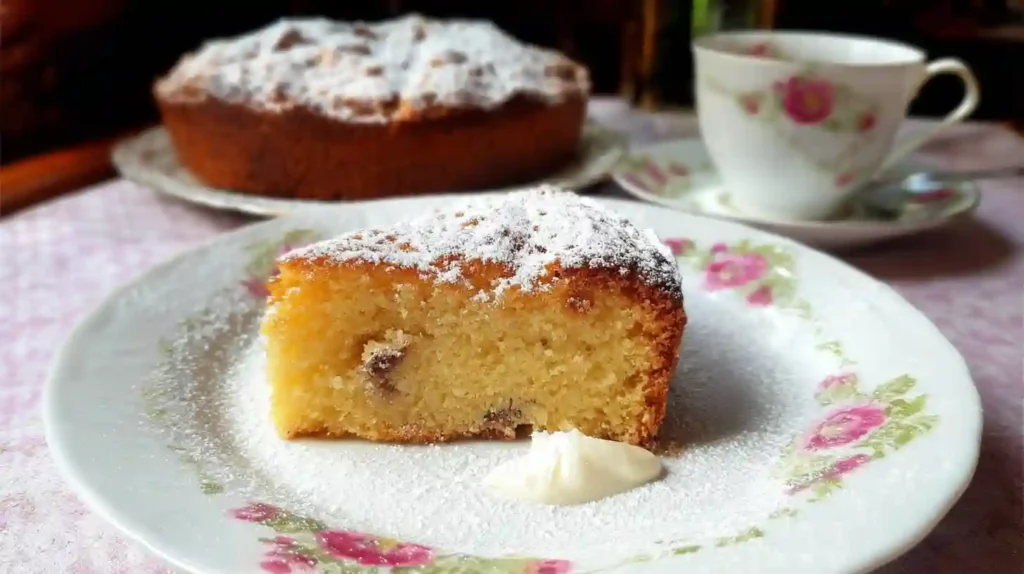
Spoon the batter into the prepared pan and smooth the top with a spatula. Bake for about 30 to 35 minutes, or until the top is golden, the edges pull slightly away from the pan, and a toothpick inserted into the center comes out with just a few moist crumbs. Let the cake cool in the pan for 10 to 15 minutes, then turn it out onto a wire rack to cool completely.
Pro tips for the best Classic Irish Tea Cake
For a truly soft crumb, keep the ingredients at room temperature so the butter creams smoothly and the eggs blend in without curdling. When you add the dry ingredients and milk, always start and end with the flour, and mix on low speed until just combined; overmixing can make the cake dense.
If you like a slightly more intimate flavor, you can swap half the milk with sour cream or a tablespoon of yogurt. For a true Irish butter cake feel, use a high‑quality butter and let the cake cool completely before dusting with powdered sugar and serving it with tea.
Variations to try
This Classic Irish Tea Cake Recipe is easy to adapt. You can turn it into a more festive dessert with tea by gently folding in a handful of chopped dried fruit or crystallized ginger for a lightly spiced twist. For a cozy twist on Desserts With Tea, stir in a teaspoon of citrus zest or a tablespoon of lemon juice for a brighter flavor.
If you want something closer to a traditional Irish butter cake, increase the butter slightly and add a tablespoon of buttermilk for extra tenderness. For a quicker treat, divide the batter between a muffin pan and bake mini Irish tea cakes, which are perfect for an informal afternoon tea setup.
Troubleshooting common issues
If your cake comes out dry, chances are the batter was overmixed or the oven was a bit too hot. Stick to mixing just until the ingredients are incorporated and use an oven thermometer if you’re unsure. If the cake sinks in the center, check that your baking powder is fresh and that the oven temperature is accurate.
A pale top usually means the sugar wasn’t creamed enough with the butter, so take the extra minute to really beat the butter and sugar until light and fluffy. If the cake sticks to the pan, make sure you grease it well and consider using parchment on the bottom for cleaner release.
Ingredient substitutions
For a lighter version, you can swap the butter with a high‑quality margarine or a recommended plant‑based alternative, though the flavor will be less rich. If you need to skip dairy, use a plant‑based milk and a dairy‑free butter substitute, keeping in mind that the texture may be slightly more delicate.
Regular flour works perfectly here, but if you prefer, you can use a gluten‑free all‑purpose blend with xanthan gum. For a fine‑grained Simple Sweets Recipes feel, you can switch the granulated sugar to caster or superfine sugar, which dissolves more easily into the batter.
Storage and serving suggestions
Once cooled, this Classic Irish Tea Cake Recipe keeps well at room temperature for 3 to 4 days, covered loosely with a cake dome or inverted bowl. For a celebration‑style tea dessert after, you can chill it briefly in the fridge before serving, which firms up the crumb and makes it even easier to slice.
Serve thin slices with a hot cup of tea for a proper afternoon tea moment, or add a dollop of whipped cream and a handful of berries for something closer to a traditional dessert. It also slices nicely for packed lunches or afternoon snacks, holding its shape without crumbing or drying out too quickly.
Frequently asked questions
Can I make this Classic Irish Tea Cake without a mixer?
Yes. You can cream the butter and sugar with a sturdy wooden spoon, it will just take a bit more elbow grease. Mix in the eggs one at a time until well blended, then gently fold in the dry ingredients and milk.
What’s the difference between this and Irish Butter Cake?
Irish Butter Cake tends to be richer and more butter‑forward, while this Classic Irish Tea Cake Recipe is lighter and slightly less sweet, designed to pair with tea and other desserts.
Can I add spices or fruit to this recipe?
Absolutely. For a spiced twist, add a pinch of cinnamon or nutmeg, or fold in dried fruit such as raisins or chopped dates. Just keep the total added volume in check so the batter doesn’t become too heavy.
How do I know when the cake is done?
The cake is ready when the top is golden, the edges pull away from the pan, and a toothpick inserted into the center comes out with only a few moist crumbs. If it’s still wet, give it another 3 to 5 minutes.
Is this really suitable for afternoon tea?
Yes. This cake is intentionally mild and buttery, making it a natural companion to tea. It’s in the same family as Popular Irish Recipes and Classic English Desserts served with tea, without being overly sweet or rich.
Can I freeze this cake?
Yes. Wrap the completely cooled cake tightly in plastic wrap and then in foil, or slice it and freeze individual portions. Thaw at room temperature before serving, and dust with powdered sugar just before serving.
Why is my cake too dense?
Dense texture usually comes from overmixing the batter or using cold ingredients. Be gentle when combining the dry ingredients and milk, and make sure your butter, eggs, and milk are at room temperature before you start.
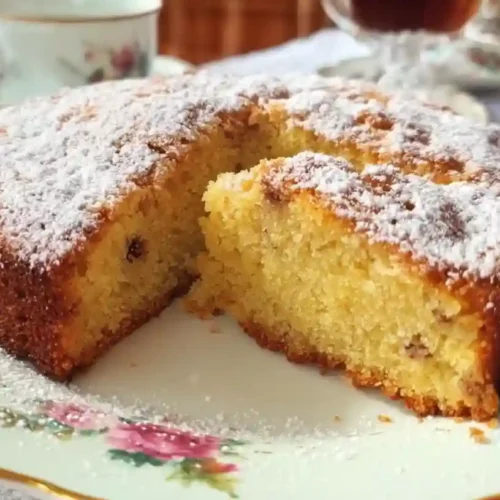
Classic Irish Tea Cake Recipe

Equipment
- 9-inch round cake pan
- Electric mixer or whisk
- Mixing bowls
- Spatula
Ingredients
- 1/2 cup (113g) unsalted butter softened to room temperature
- 1 cup (200g) granulated sugar
- 2 large eggs at room temperature
- 2 teaspoons pure vanilla extract
- 1 3/4 cups (220g) all-purpose flour
- 2 teaspoons baking powder
- 1/2 teaspoon salt
- 1/2 cup (120ml) whole milk at room temperature
- Confectioners’ sugar for dusting (optional)
- Fresh berries or whipped cream for serving (optional)
Instructions
- Preheat your oven to 350°F (175°C) and lightly grease a 9-inch round cake pan; line the bottom with parchment if desired.
- In a medium bowl, beat the 1/2 cup unsalted butter and 1 cup granulated sugar together until light and fluffy, about 2-3 minutes with an electric mixer.
- Add the 2 large eggs one at a time, mixing well after each addition, then stir in the 2 teaspoons vanilla extract.
- In a separate bowl, whisk together the 1 3/4 cups all-purpose flour, 2 teaspoons baking powder, and 1/2 teaspoon salt.
- Add one-third of the dry ingredients to the butter mixture and mix until just combined. Pour in half of the 1/2 cup whole milk and mix again.
- Add another third of the dry ingredients, the remaining milk, then the rest of the flour mixture, mixing on low speed and scraping the bowl as needed. Avoid overmixing.
- Spoon the batter into the prepared pan and smooth the top with a spatula.
- Bake for 30-35 minutes, until the top is golden, edges pull away from the pan, and a toothpick comes out with a few moist crumbs.
- Cool in the pan for 10-15 minutes, then transfer to a wire rack to cool completely. Dust with confectioners’ sugar before serving.
Notes
- Use room temperature ingredients for the best texture and even rising.
- This cake is perfect for afternoon tea; serve with fresh berries and whipped cream.
- Store at room temperature for up to 4 days or freeze wrapped tightly for up to 2 months.